
What a Horse Named Lola Taught Me About Leadership
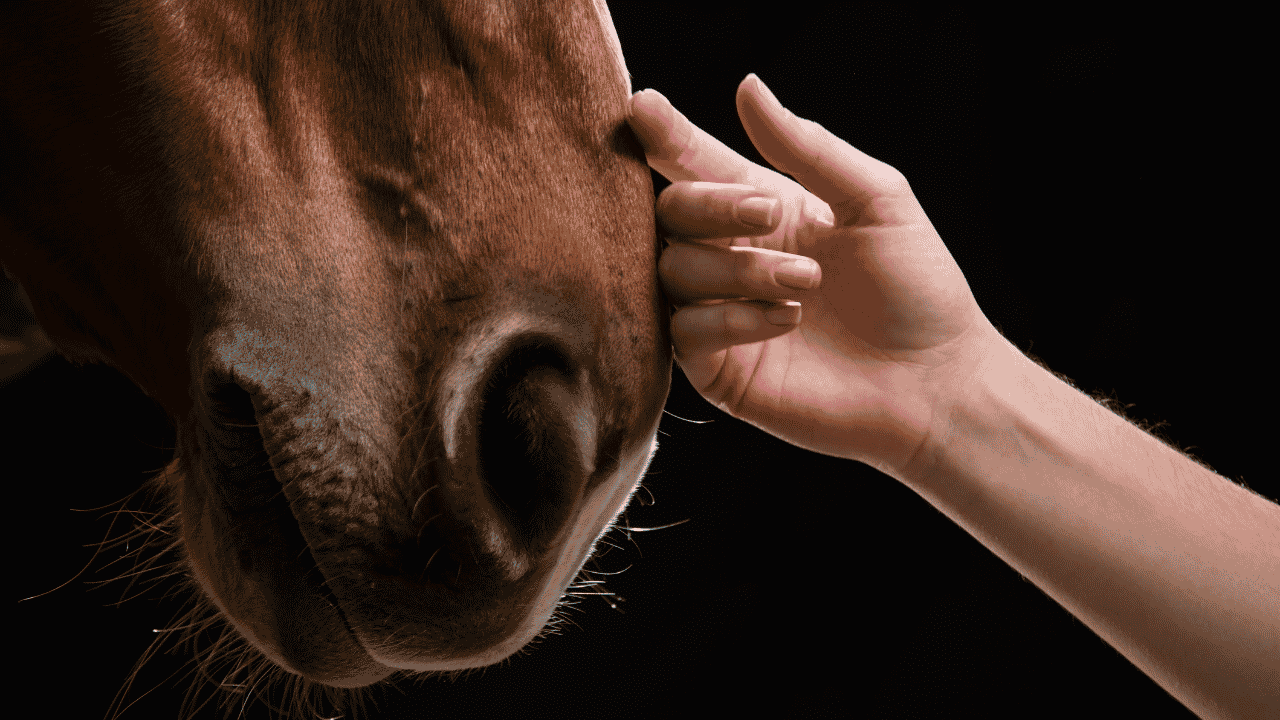
I've been scared of horses for most of my life. When I was five, one reared and landed on my foot, no surprise, it was broken. Not exactly the kind of thing you forget, although it was cool (for a minute) to have a plaster cast for people to write on.
So, when I was invited to spend a day doing equine therapy, as part of exploring it for a leadership development program, I was curious and as I found out, more guarded than I was aware of.
Partway through, the facilitator told me something I didn't expect: I wasn't being vulnerable enough for my horse, Lola, to trust me. I remember being a bit defensive about it at the time. I'd shown up, hadn't I? I was doing the exercises. Wasn't that enough? It wasn't. And that's the whole point.
Horses ask a different question
Dogs seem to ask, am I safe, am I loved? Cats ask, roughly, what's in this for me? Horses ask something else entirely: can I trust you?
They don't care about your title, your authority or how convincing you sound. Their survival has depended for thousands of years on reading intent accurately, on noticing the gap between what you're projecting and what you actually are. They're not impressed by confidence. They're watching for congruence.
That's an uncomfortable mirror to stand in front of. It's also what's happening, just more slowly and less honestly, with many of today’s leaders.
Compliance follows authority. Commitment follows trust.
A horse doesn't ask "are you the leader?" It asks, "are you worthy of being followed?" Position gives someone authority, but it’s behaviour that earns followership and those two things are not the same, even though it's easy to mistake one for the other when people are nodding in meetings.
My (limited) understanding of horse training is that pressure creates movement. What matters is what sits underneath that movement: trust or fear. Two horses can respond to the same pressure and look identical from the outside, but their experience and what happens when the pressure is removed can be very different. A horse that trusts its handler can respond to pressure because it understands what is being asked and feels safe doing it. A horse driven by fear may also comply, but it is responding to avoid the pressure rather than because it trusts the person applying it. People aren't so different. Fear produces compliance. Trust produces commitment. Only one of those is still there when the "leader" leaves the room.
Why trust and accountability aren't in tension
A lot of leaders operate on an equation that looks like: accountability + pressure = results. Sometimes it even works, short-term. More often it produces fear, politics, silence and people quietly checking out.
The better version of that equation is trust + clarity + accountability = sustainable results because trust doesn't replace accountability, it's what makes people willing to be held to it. This reflects what Patrick Lencioni argues in his work on team dysfunction: without trust, people stop admitting mistakes, stop raising real conflict and start performing commitment instead of building it. Ironically, leaders who are most obsessed with accountability often erode the one thing that makes accountability possible.
The measure that actually matters
Leadership isn't judged by whether people perform while the leader is watching. It's judged by whether they keep performing, collaborating and speaking up when the leader isn't.
Horses don't follow power. They follow trust. I spent a long time being afraid of them for entirely fair reasons and it took one particularly unimpressed horse called Lola to make me realise something: the energy we carry into a room isn't separate from what we're actually thinking and feeling underneath it. Horses read that gap instantly, without any of the social filters people have learned to use. People read it too, just more slowly and less consciously.
Before your next hard conversation, pause and ask yourself this: what energy am I actually bringing into this room? Am I after connection, or control? Would people follow me here because they choose to, or because they have to?
What would it look like if your leadership team build that kind of trust on purpose, rather than by accident? If you’d like to explore that question together, I’d love to hear from you.
Stay informed with latest industry updates
Send us your details and we'll be in touch about future opportunities.